
The Comoros at a glance
The Comoros sit in the Indian Ocean between East Africa and Madagascar. This guide covers the three islands most visitors go to: Grande Comore (Ngazidja), home to the capital Moroni and the Karthala volcano; Anjouan (Ndzuani), with the old town of Mutsamudu; and Moheli (Mwali), with its national park and marine area. Mayotte, a French department, is not part of this travel guide.
The country is officially the Union of the Comoros, with Shikomori, French and Arabic as official languages. It rewards flexible travellers: bring cash, allow extra time between islands and build a spare day in before your flight home.
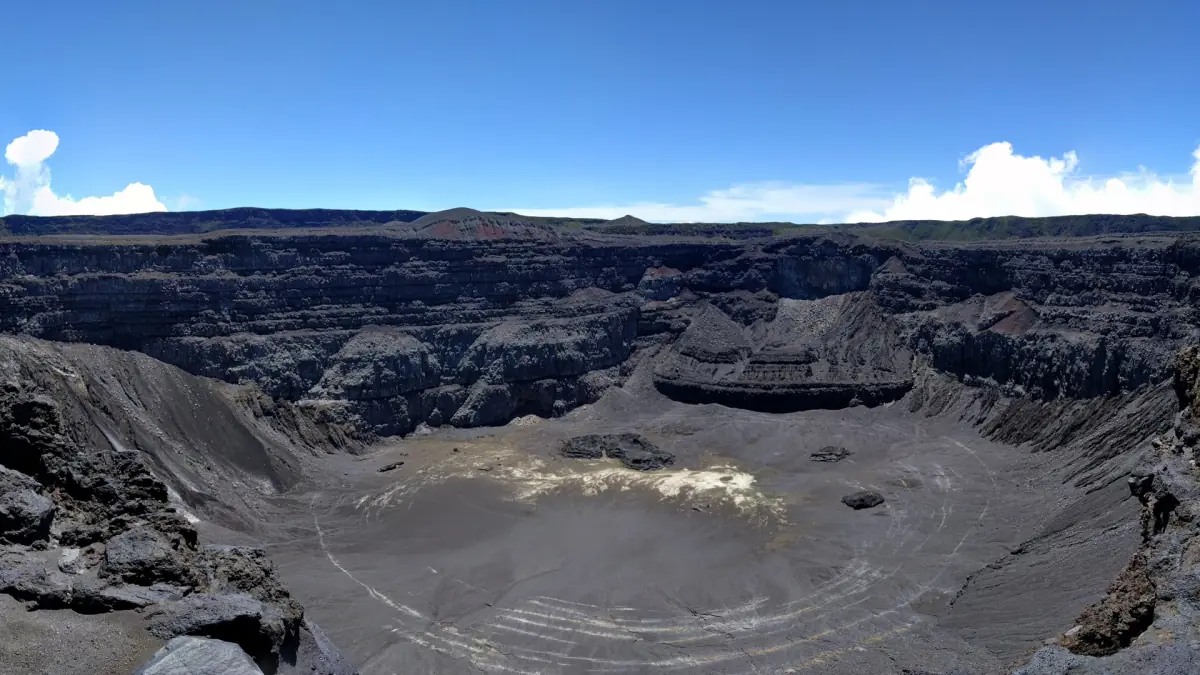
Our take: three ways to see the Comoros
The Karthala hike suits anyone who wants the volcano in a single day. The northern day trip is the simplest way to see Grande Comore from Moroni. The 8-day route is for those who want all three islands.
Hand-picked tours, booked through GetYourGuide and Viator. Prices are indicative starting prices in US dollars (as of October 2026). Tap a tour for live availability and the current price in your currency.
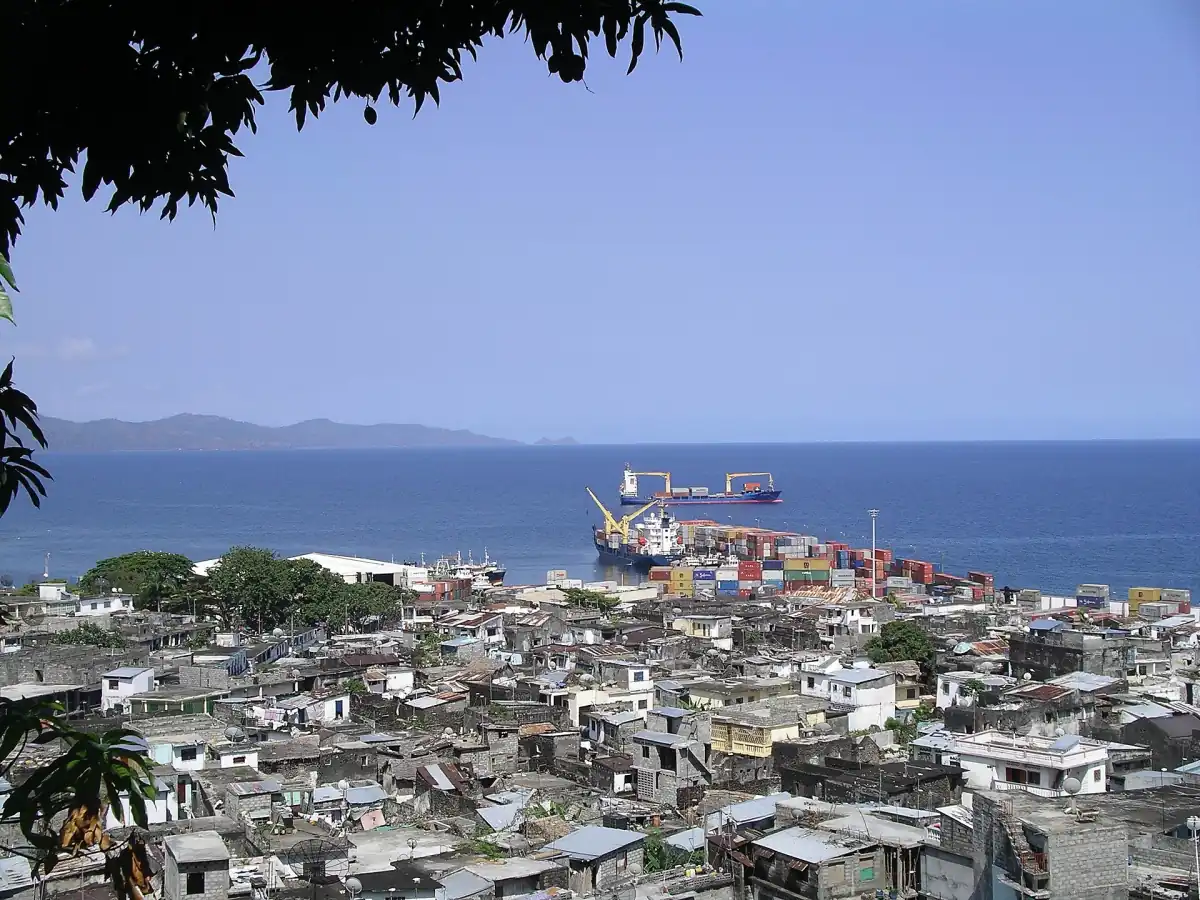
8-day route across Grande Comore, Anjouan and Moheli
- Local flights and boat tickets
- All airport and port transfers
- Meals as set out in the itinerary
Eight days and seven nights across the three islands, with a visit to the Mutsamudu medina and citadel, sea turtle observation at Itsamia, village walks and a ylang-ylang farm. Turtle sightings are not guaranteed, and there are no reviews yet.
Check availability →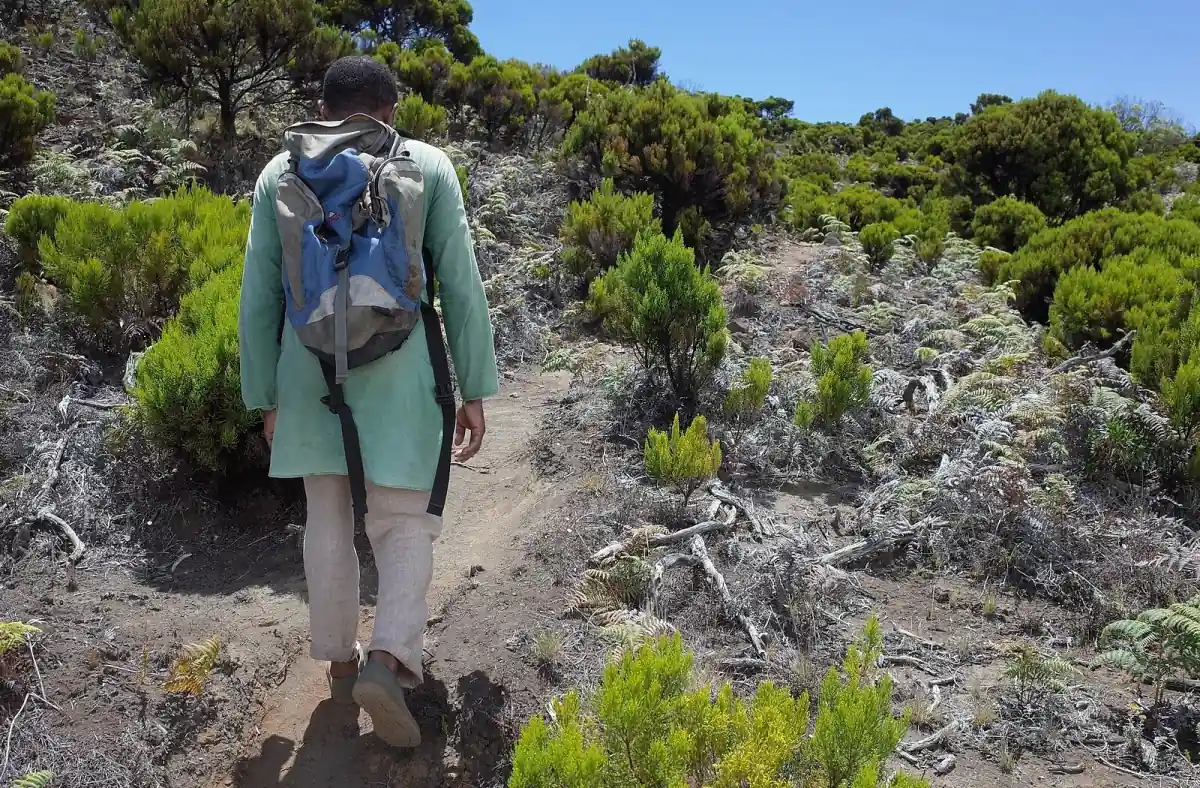
Guided Mount Karthala hike with hotel pickup
- Hotel pickup and drop-off
- Local guide
- Guided hike to Mount Karthala
An 8-hour day on Mount Karthala, the volcano of Grande Comore, with a local guide. Nothing here promises the state of the volcano or access to the summit, so ask before you book.
Check availability →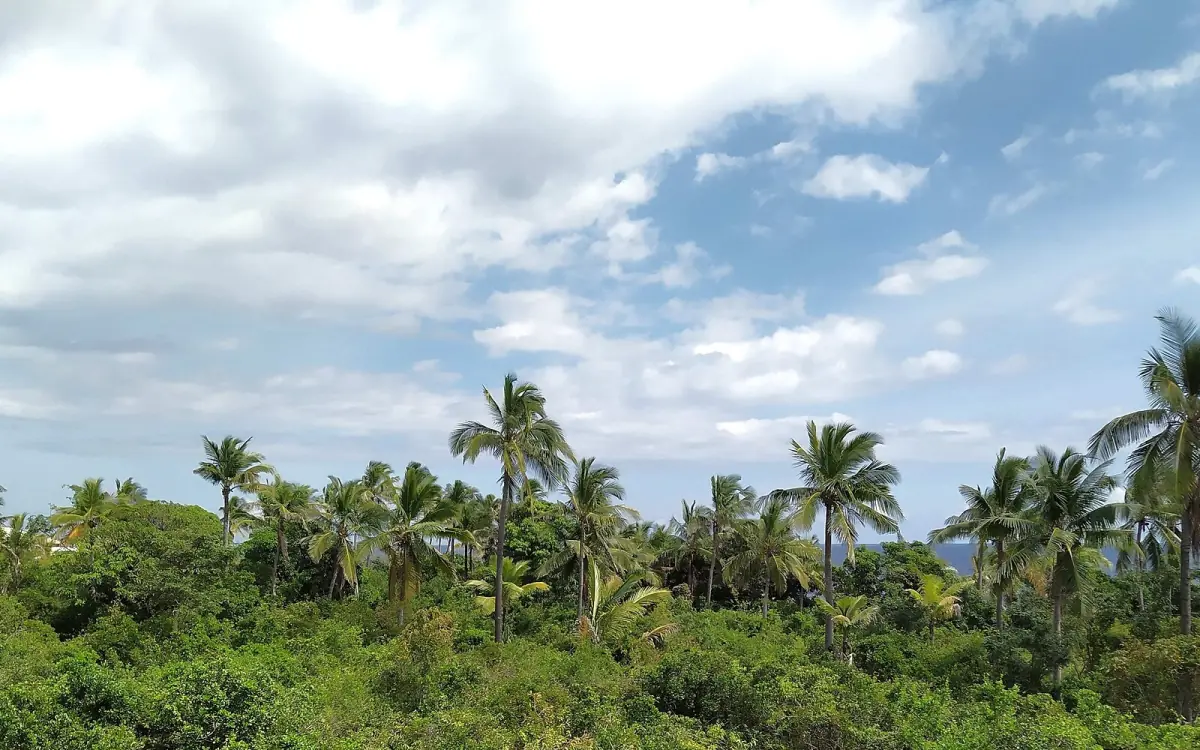
Day in the north of Grande Comore with a guide
- Lunch
- Licensed guide, English and French
- Air-conditioned vehicle
The northern route covers the mangroves and volcanic rocks at Domoimboini, the Salt Lake, the Dragon's Back at Ivoini, lunch in Mitsamiouli and a stop at Mitsamiouli beach. Fees and taxes are covered; swimming is not promised.
Check availability →Guided Mount Karthala hike
A day on Grande Comore's volcano with a local guide, hotel pickup and drop-off included.
The Comoro Islands: where to begin
For a first trip, Grande Comore is the natural starting point. Prince Said Ibrahim International Airport (IATA code HAH) is on this island, a short drive from Moroni, and the island packs the old town, the volcano and the northern beaches into one base. For the comoros capital city, see the guide to Moroni.
Anjouan and Moheli need more planning because inter-island schedules are not published reliably. Many visitors pick two islands rather than three. The pages below cover each island, the beaches, the seasons, access, accommodation, history and entry rules.
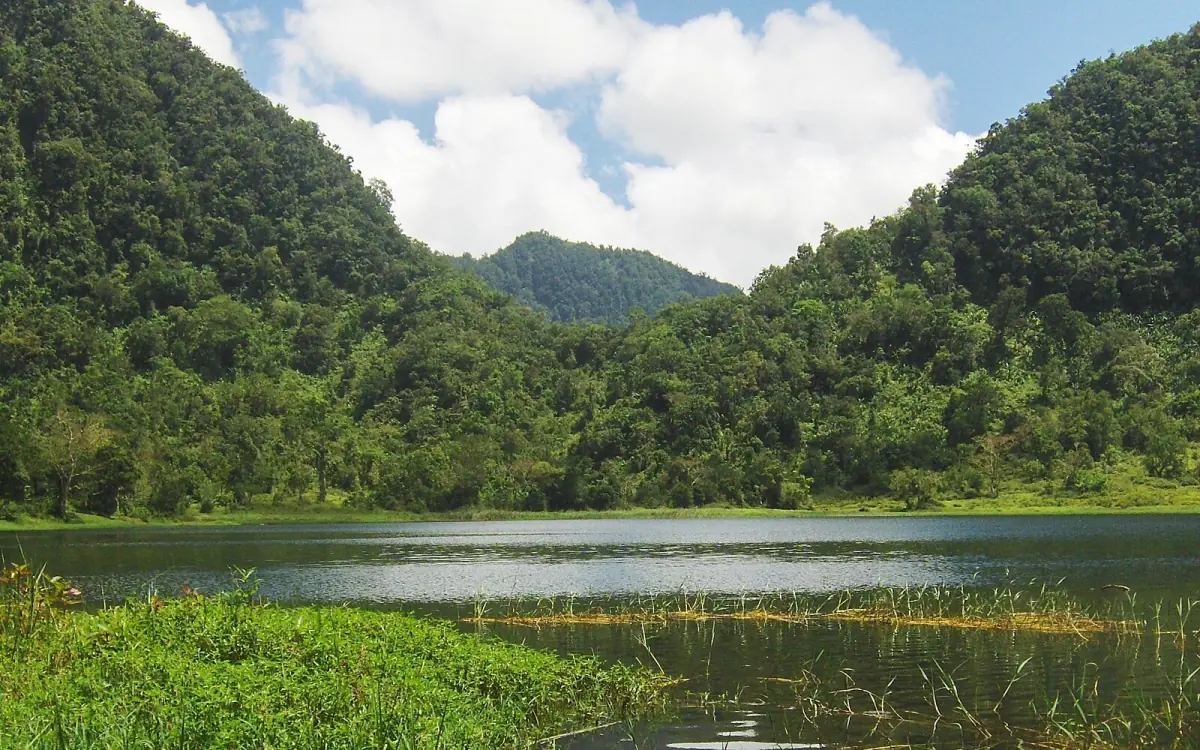
Explore the Comoros page by page
Tours, islands, beaches and practical planning, with what can be confirmed and what you still need to check locally.
Comoros tours
A guided Karthala hike, a day trip in northern Grande Comore and an island-hopping itinerary.
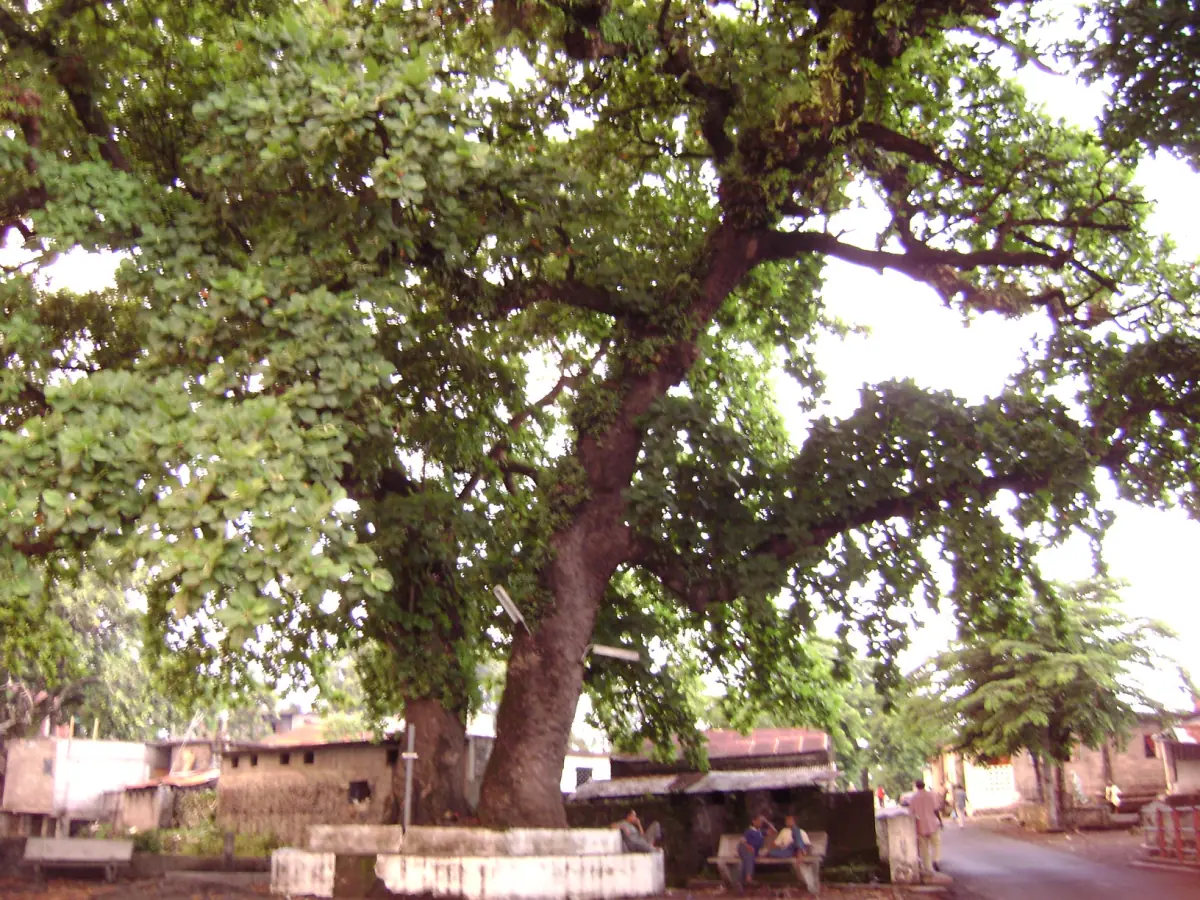
Things to do in Comoros
Volcano, old towns, lakes, beaches and a marine park across the three islands.
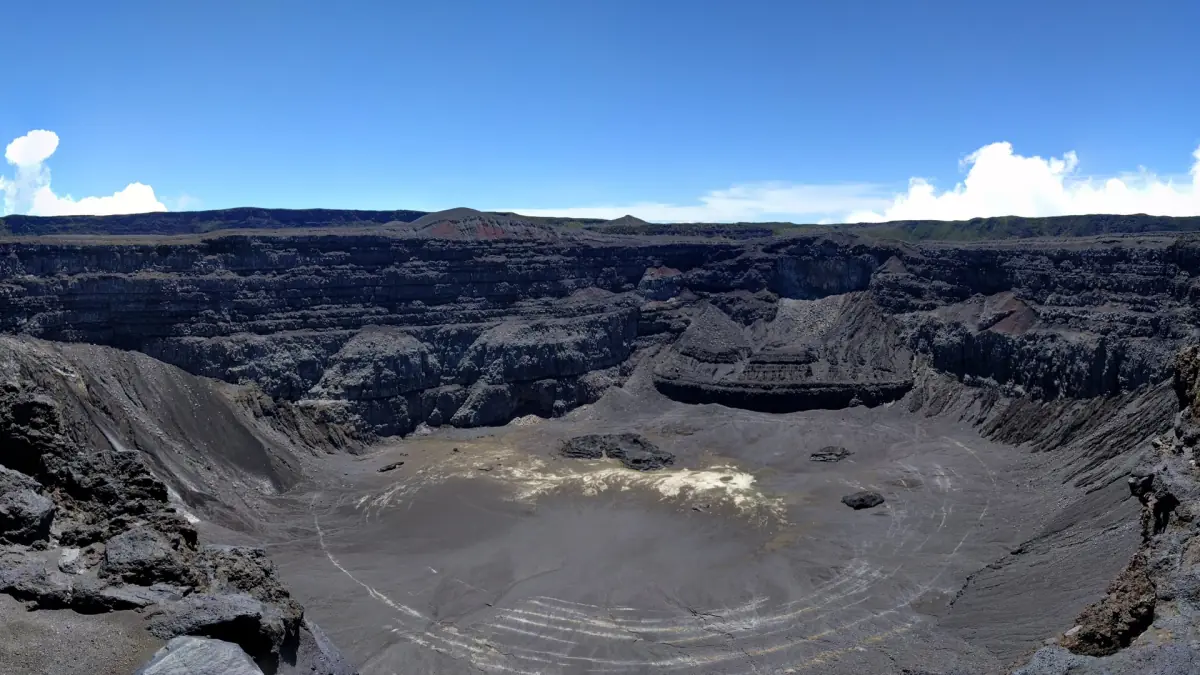
Mount Karthala
An active volcano, two published heights and safety advice.
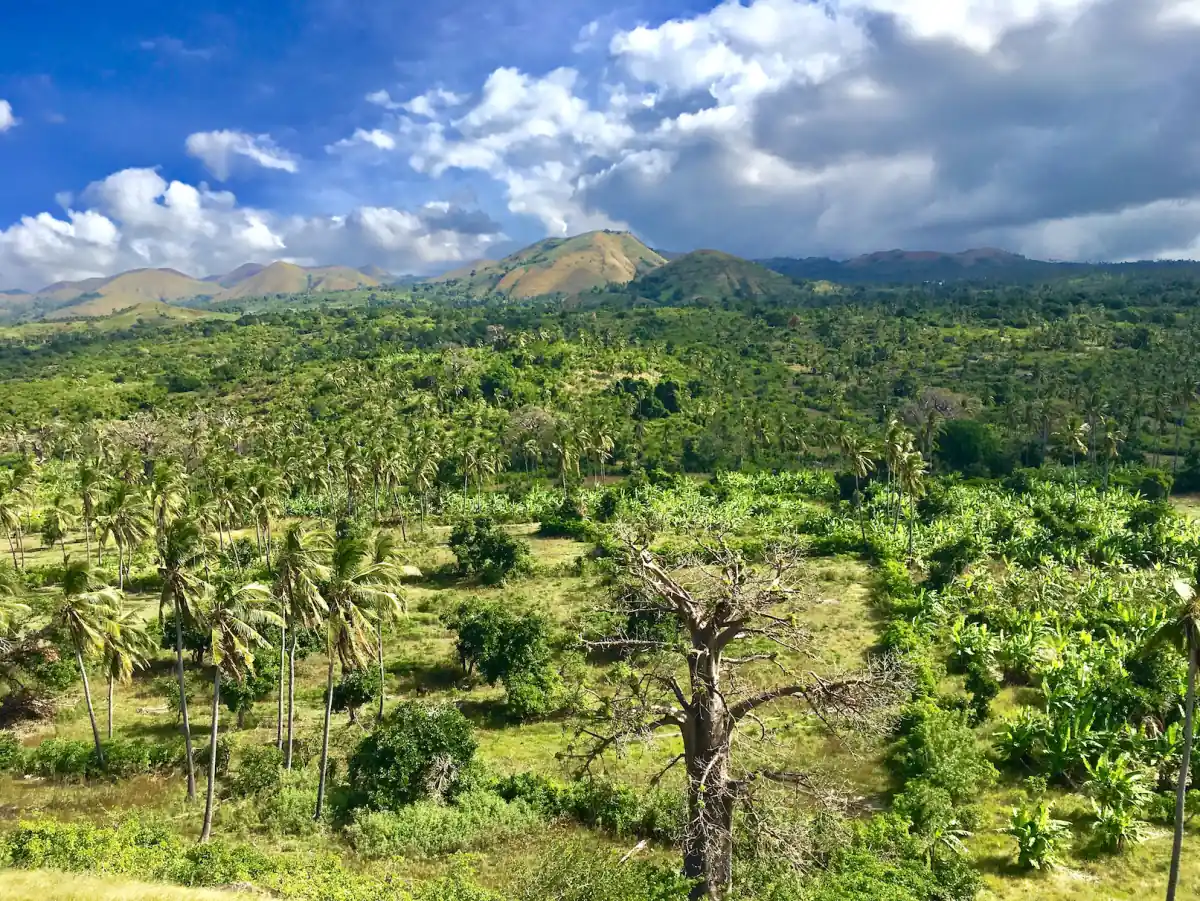
Grande Comore
Moroni, Lac Sale, the Dragon's Back and the northern beaches.
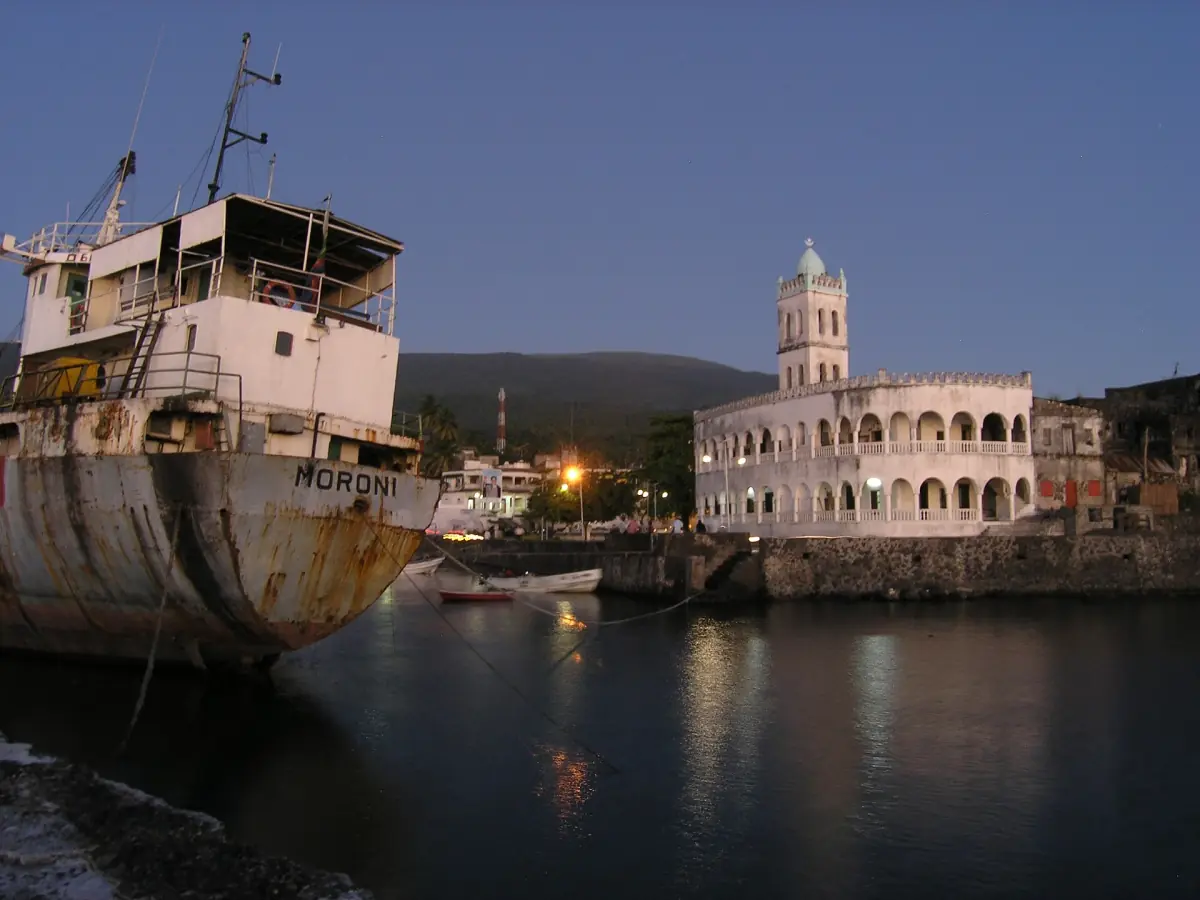
Moroni
The old town, the Friday mosque and the Jardin de la Paix hotel-restaurant.
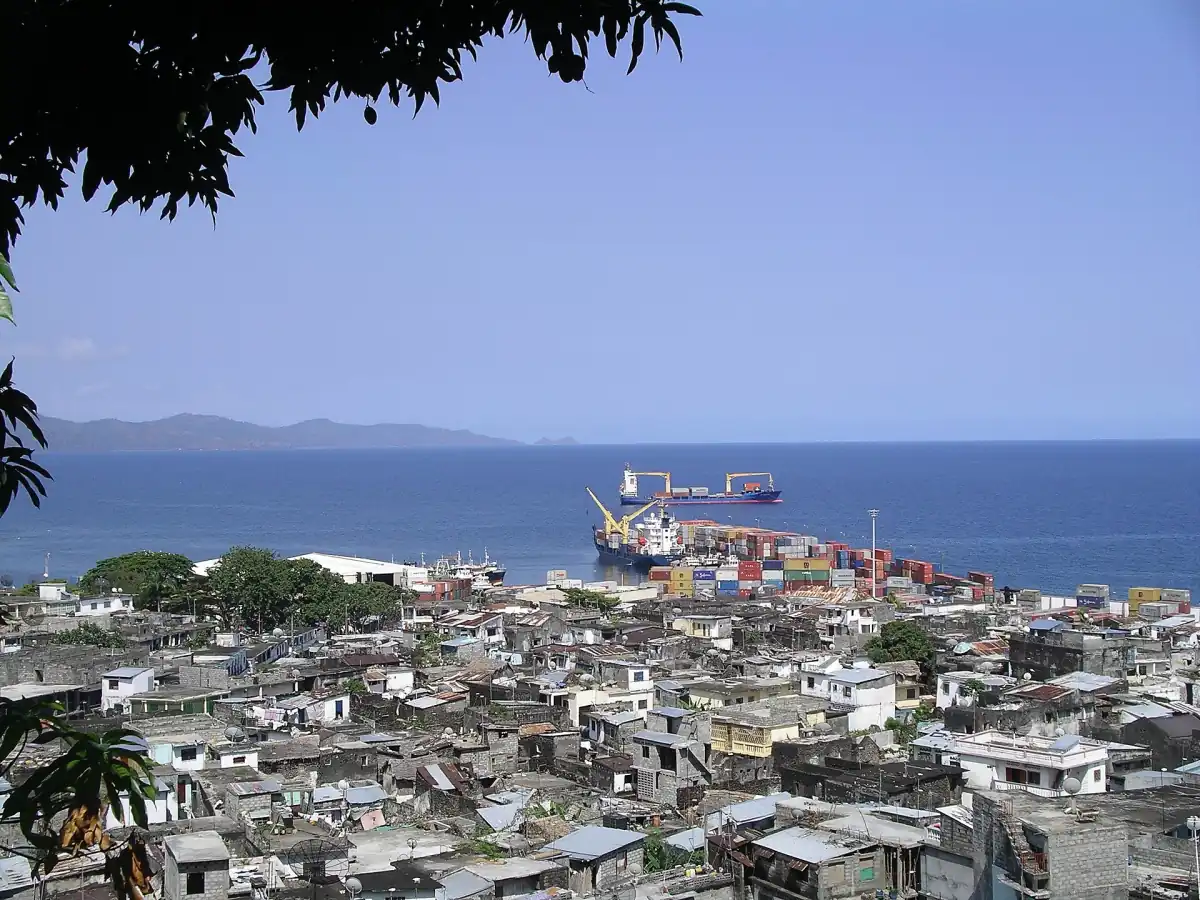
Anjouan
Mutsamudu, its citadel and Lake Dzialandze.
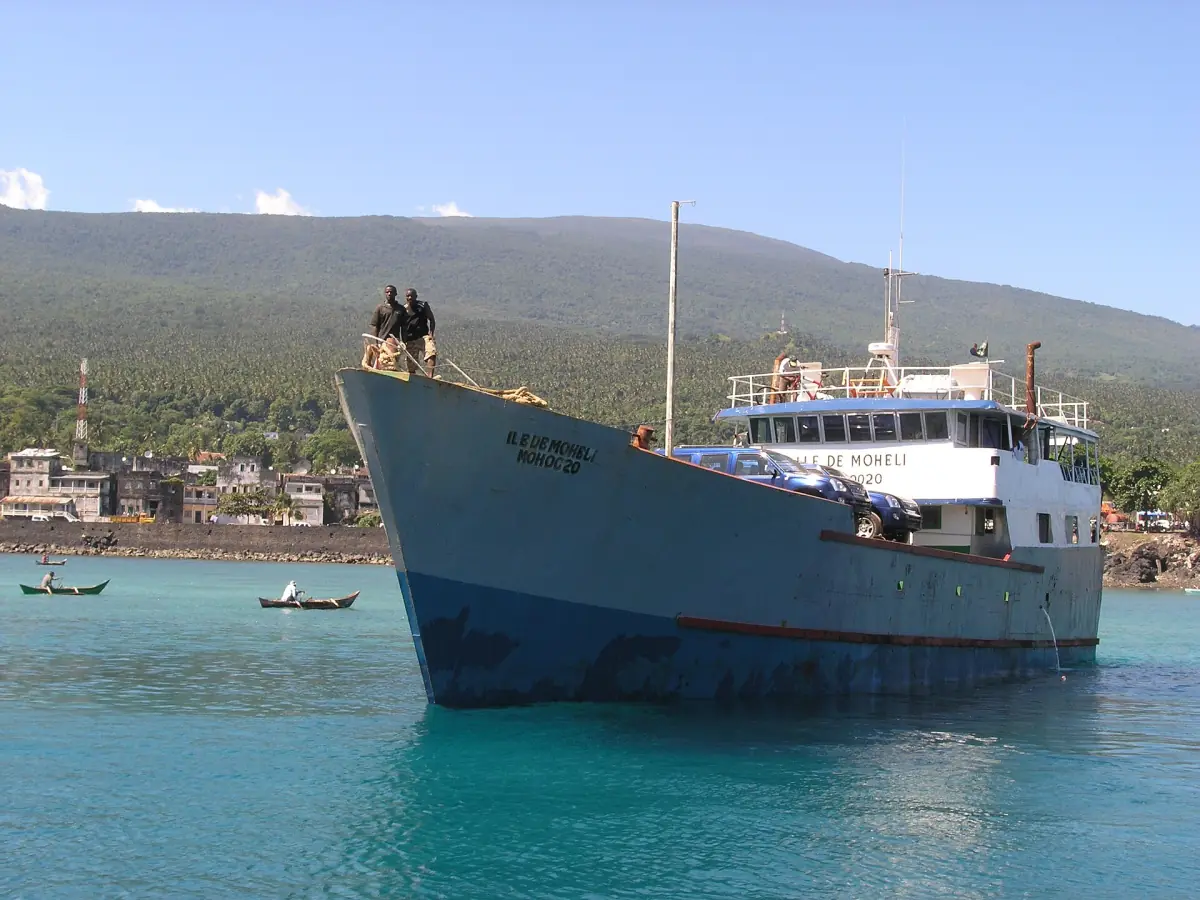
Moheli
A national park, a marine park and green turtles at Itsamia.
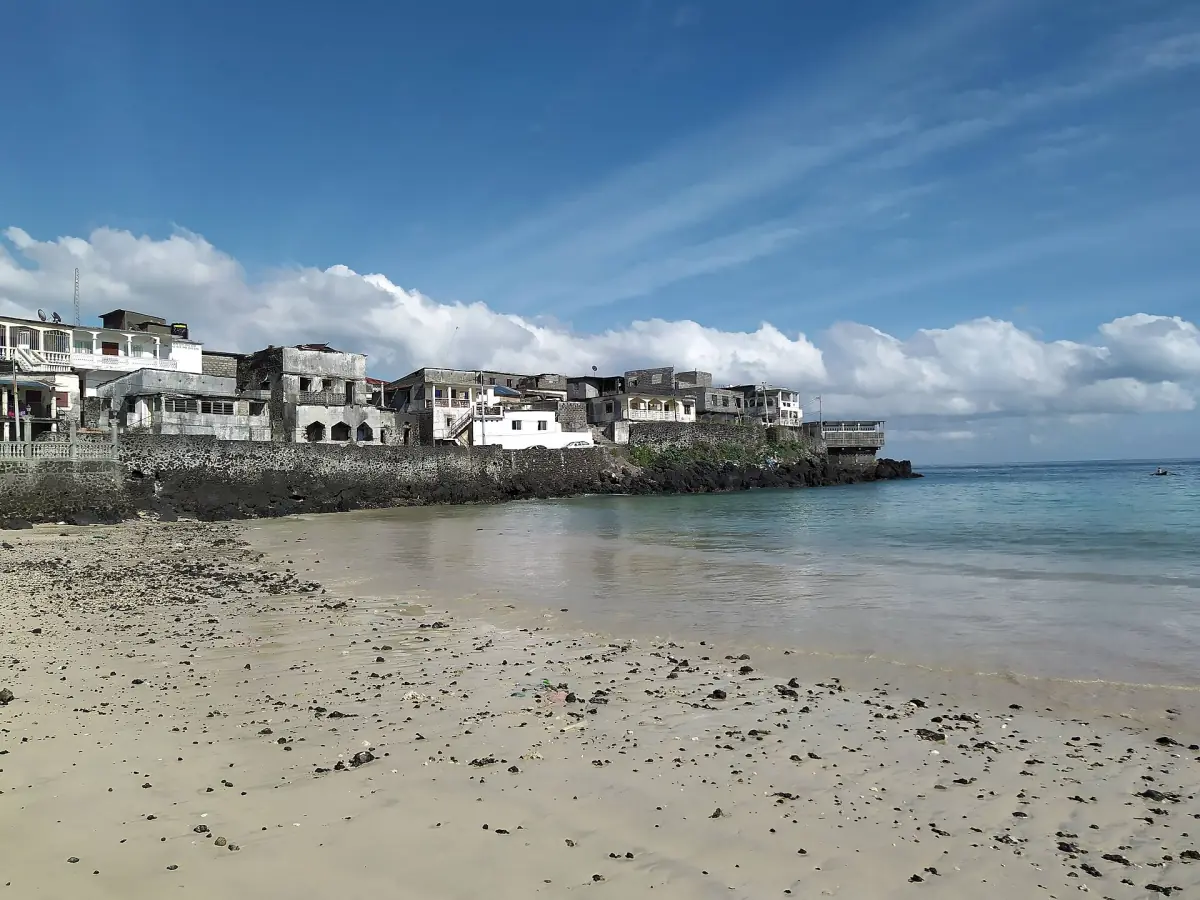
Comoros beaches
Beach names island by island, with no swimming guarantee.
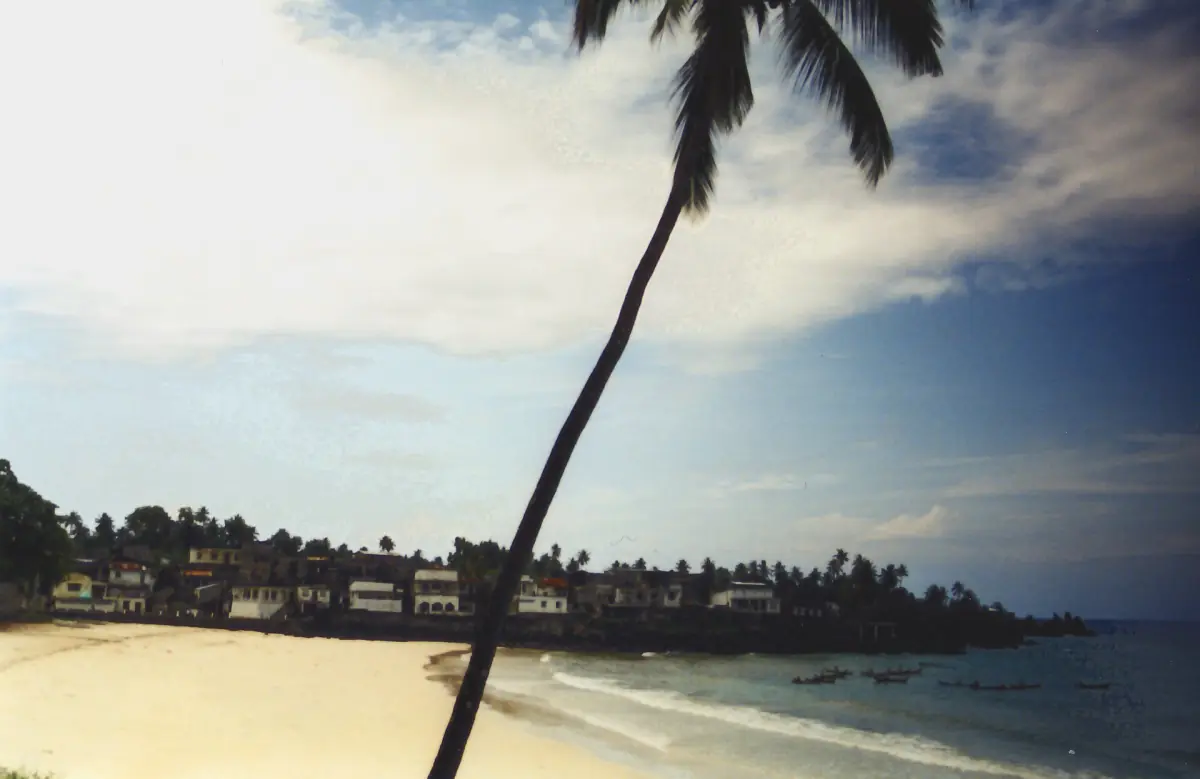
Best time to visit
Rainy season, possible cyclones and a historic climate table for Moroni.
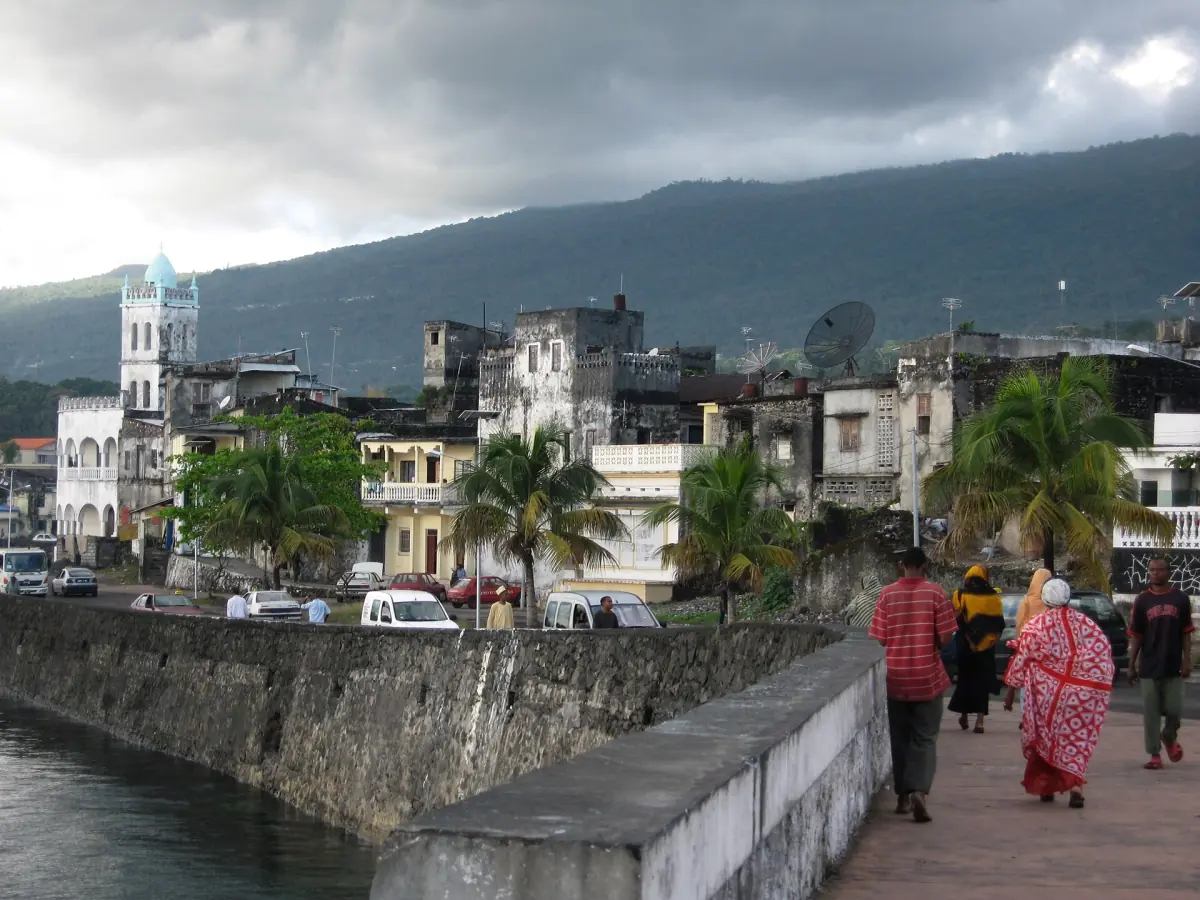
Getting there
Flights to Moroni, taxis, car hire and inter-island travel.
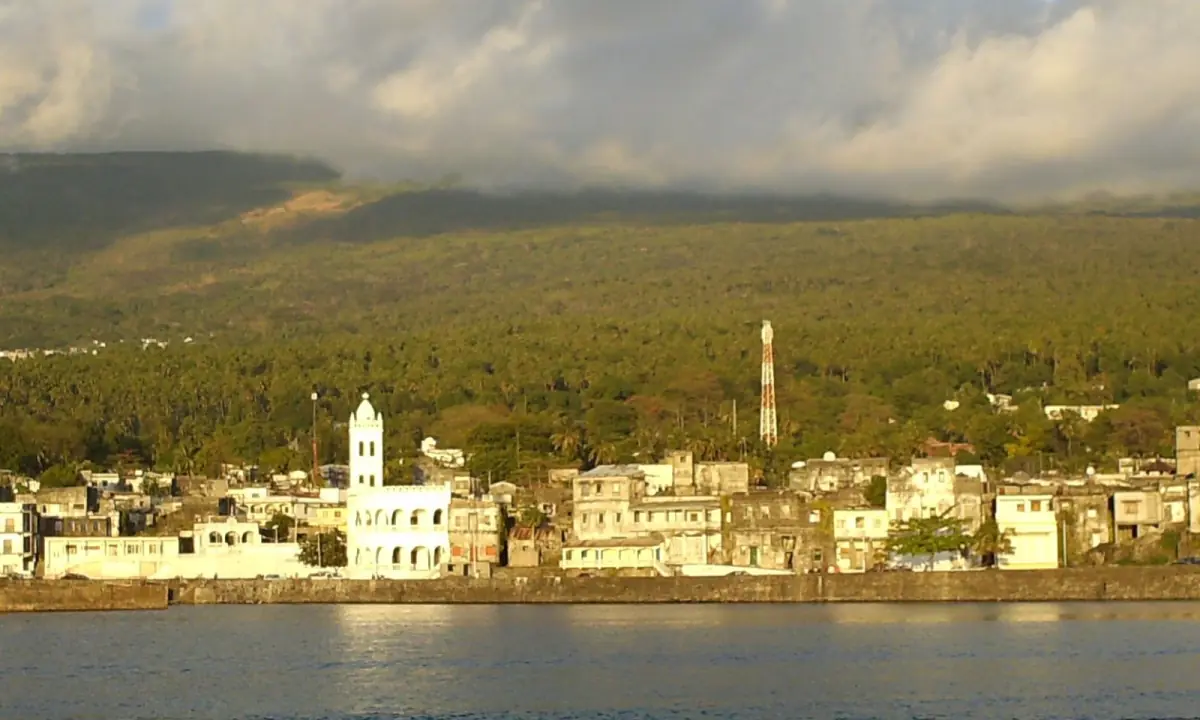
Where to stay
Hotels, guesthouses and ecolodges by island.
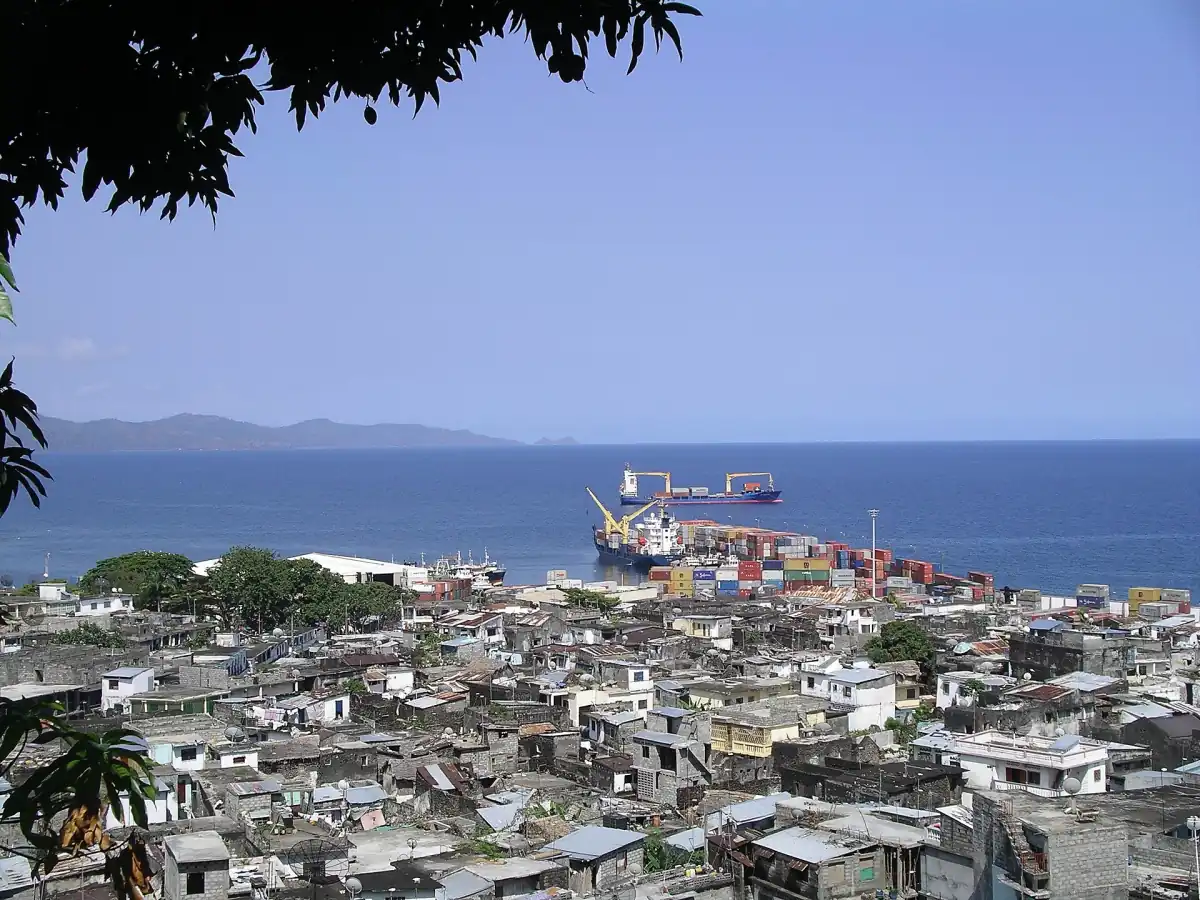
History of the Comoros
From the sultanates to independence in 1975.
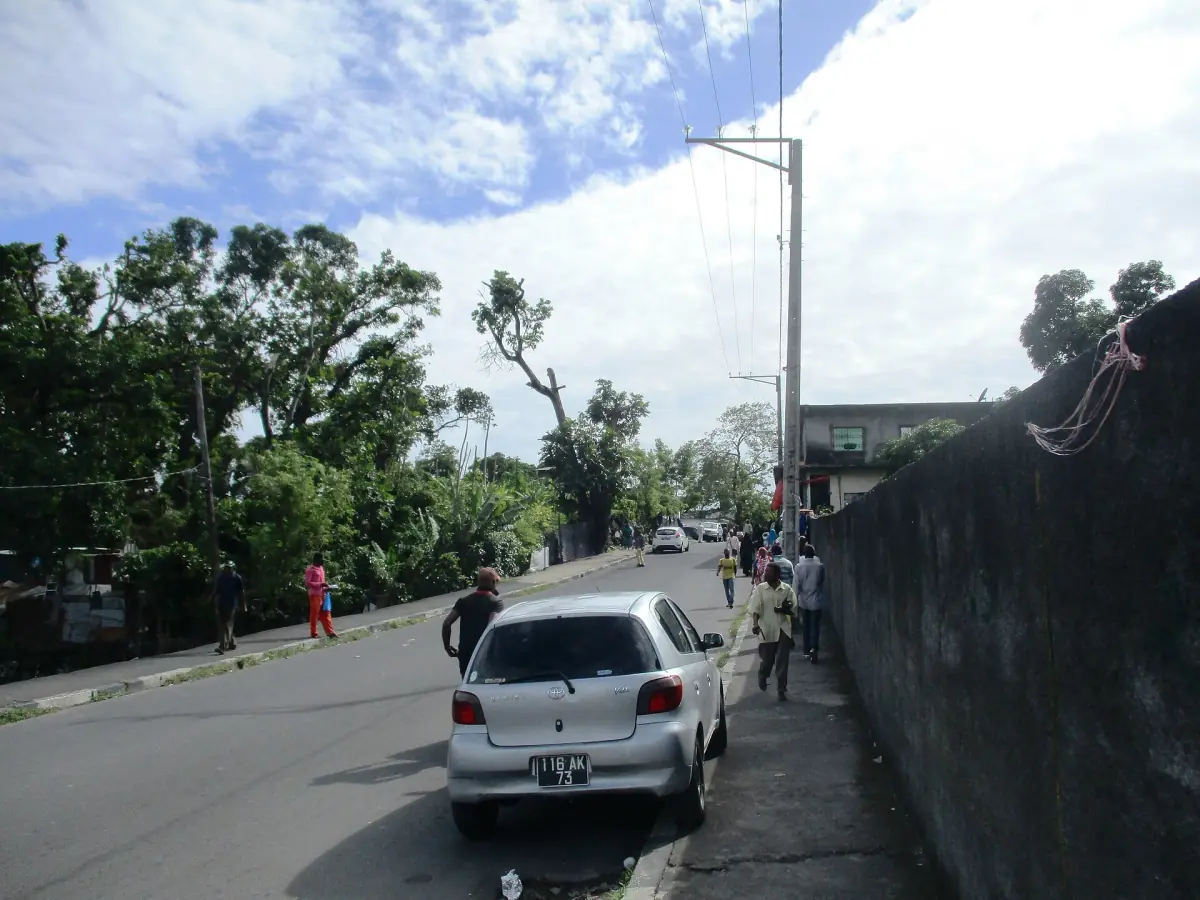
Is Comoros safe?
Visa on arrival, official advice, health and local rules.
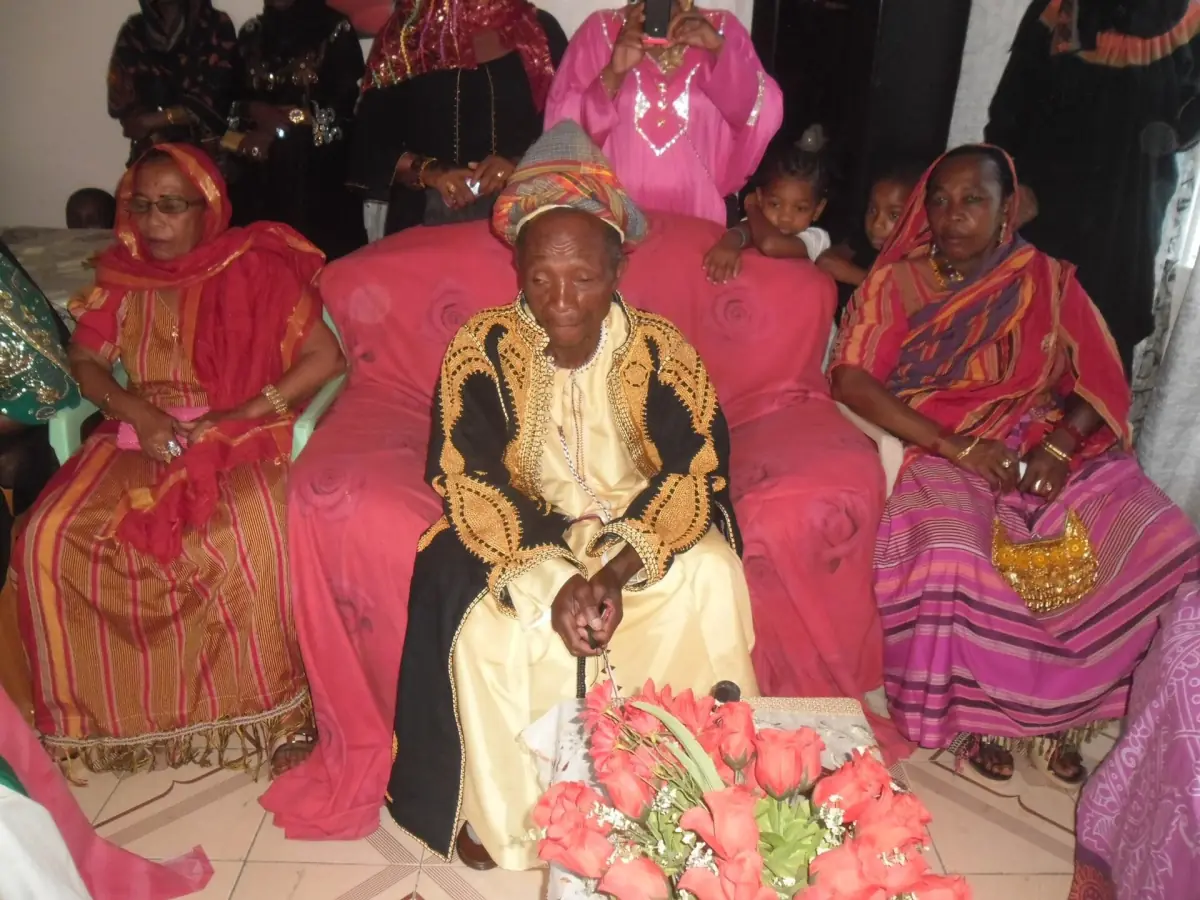
People and language
Shikomori, French, Arabic and population figures.
Good to know before you go
The points that most often change a Comoros itinerary.
Visa on arrival
A visa is issued on arrival. Sources disagree on the fee, roughly 30 to 50 euros, so confirm the amount for your passport before you fly. Bring a passport valid for more than six months and a return or onward ticket.
Safety and visa →Cash and cards
Cash dominates and cards are not accepted everywhere. Cash machines in Moroni are described as unreliable, so carry euros and change them locally into Comorian francs.
Where to stay →Rainy season
The tourism office describes a warm, wet season from November to May, while Spain gives November to April. Cyclones are possible from January to May.
Best time to visit →Flights and neighbouring islands
Moroni is served by Kenya Airways from Nairobi, among others. For island changes, avoid kwassa-kwassa boats, which France advises against.
Getting there →Comoros: frequently asked questions
Which islands should I visit in the Comoros?
This guide covers Grande Comore, Anjouan and Moheli. Grande Comore offers Moroni, Mount Karthala and the northern beaches; Anjouan has the old town of Mutsamudu; Moheli has a national park with a marine part. See things to do in Comoros.
Do I need a visa for the Comoros?
A visa is issued on arrival at the airport. France and the United Kingdom quote about 30 euros, while the Comorian tourism office and the United States give 30 to 50 euros. Confirm the fee for your own case. Details are on the safety and visa page.
What currency is used in the Comoros?
The Comorian franc (KMF), fixed against the euro: 1 euro equals 491.96775 KMF. Cash payments dominate and cards are not accepted everywhere.
Which languages are spoken in the Comoros?
Shikomori, French and Arabic are official languages. English is not. Shikomori has island variants. See people and language.
Can I climb Mount Karthala in a day?
It depends on the operator and the route. A guided hike of 8 hours is offered with a local guide and hotel pickup, while a local operator describes a 12-hour day on foot from Mvouni. See Mount Karthala.
Is this the official Comoros tourism website?
No. This is an independent travel guide. It is neither the tourism office (ONTC) nor a government website of the Union of the Comoros, and it is not connected to the authorities, parks, hotels or tour operators.