
Comoro language: three official languages
The official languages of the Union of the Comoros are Comorian (Shikomori), French and Arabic, according to the current French country profile. English is not an official language. The revised constitution, held in the WHO legal database in its 2018 version, also names Shikomori, French and Arabic in Article 9, but that is an older legal state and not a check of later amendments.
Shikomori is not simply Swahili. A French research ministry document describes variants on each island with considerable mutual understanding between them. It is an older text, so it gives a framework, not a pronunciation guide.
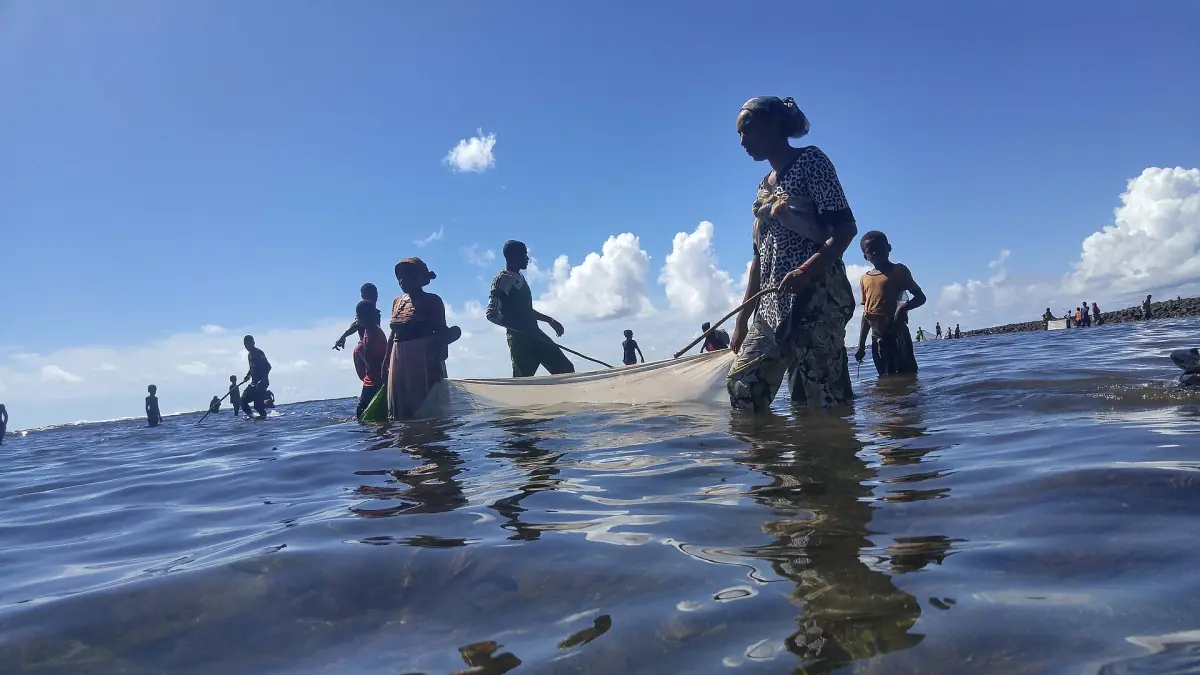
Our take: villages on foot
This 8-day route includes village walks; it is not a tour built around language.
Hand-picked tours, booked through Viator. Prices are indicative starting prices in US dollars (as of October 2026). Tap a tour for live availability and the current price in your currency.
Guided Mount Karthala hike
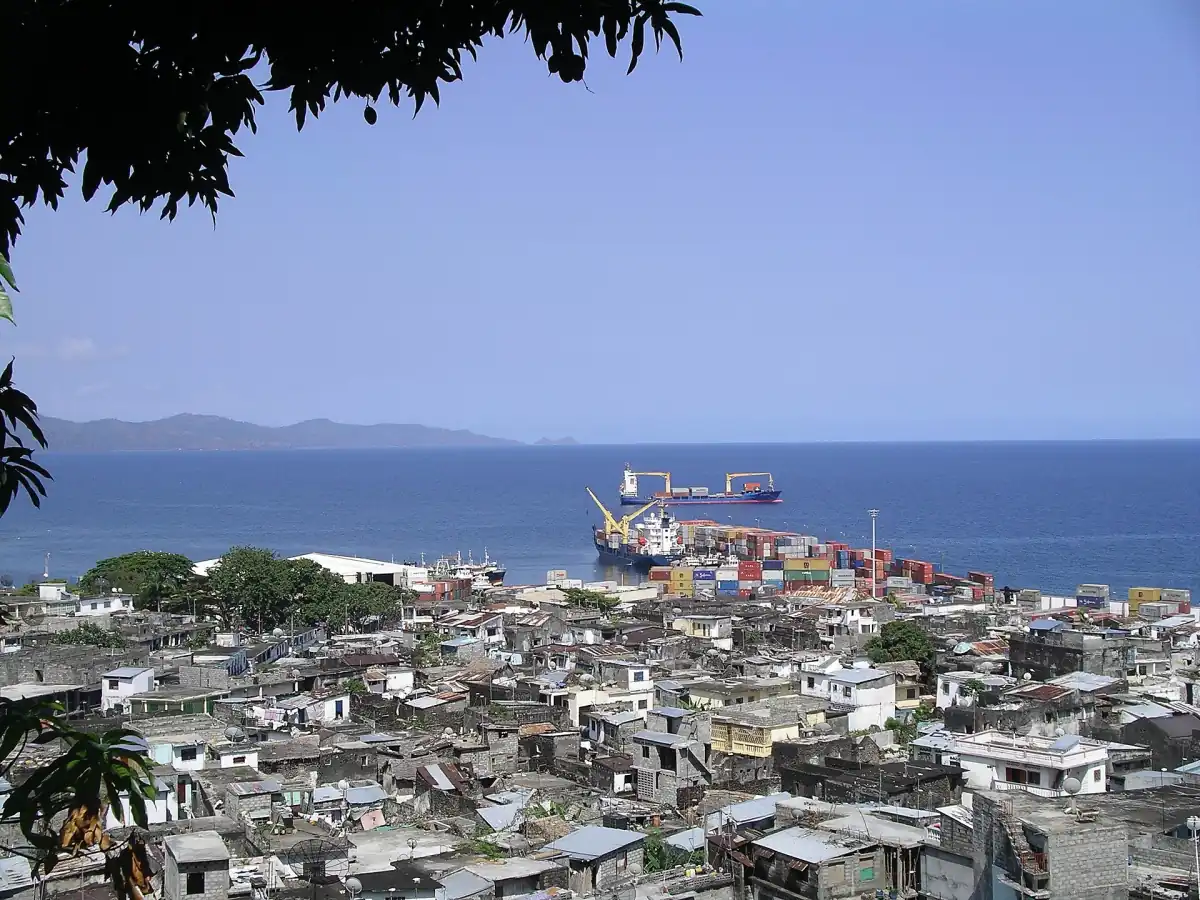
To meet local people and see more of Grande Comore, there is a guided day on Mount Karthala with a local guide and hotel pickup. No language component is advertised.
Comoros people and Comoros population
Figures to read with their year.
The World Bank gives 882,847 people for 2025. It is an estimate, neither a census result nor a figure for 2026. The French profile gives about 870,000 for 2024. That rounded figure, from another year, does not contradict the first. We found no recent national census with original tables, no official figure for 2026 and no precise breakdown of religious affiliation.
Society is mostly Muslim. The UK says Sunni Islam is the official religion and advises loose clothing covering shoulders and knees for both men and women.
Talking with Comoros people
Practical notes for your trip.
If you do not speak Shikomori, French is the most useful official language for you. We deliberately give no Shikomori greetings, because no verified source supplies them and we prefer not to invent any. A local guide or your host will teach you better.
For daily life, keep three rules in mind: covered clothing, care with alcohol in public, and asking permission before photographing anyone. Daily rules shift during Ramadan, and we have no reliable local dates for 2026 or 2027. Read the page on Comoros visa and safety too.
Island names and local usage
One country, three names for each island.
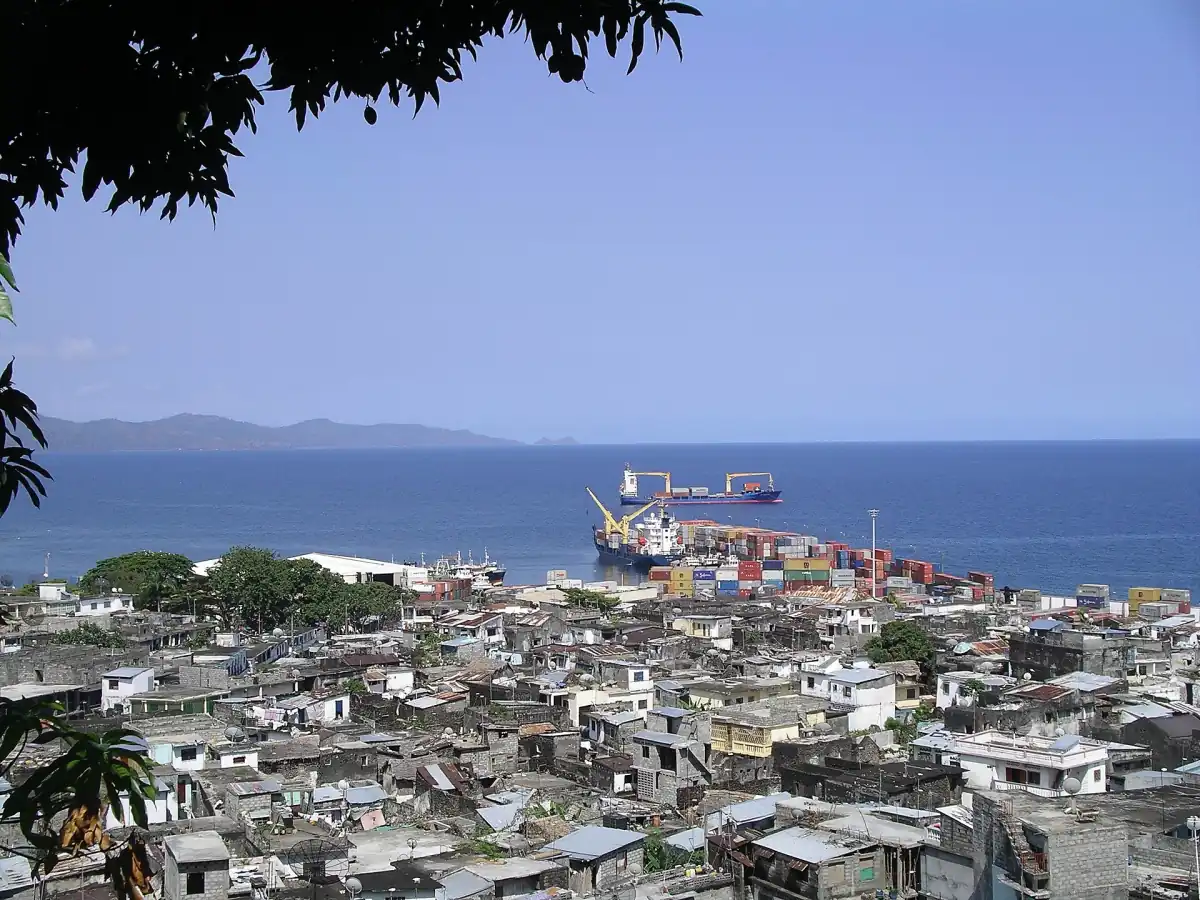
Islanders use the Shikomori names: Ngazidja for Grande Comore, Ndzuani for Anjouan and Mwali for Moheli. You will see both forms on signs, in documents and in conversation, so it helps to know that they refer to the same places. The capital, Moroni, is on Ngazidja, and the other main towns are Mutsamudu on Ndzuani and Fomboni on Mwali.
The Comoros has one official language list but no single spelling system that every island follows. We found no verified standard spellings for each island dialect, so place and personal names in this guide follow the forms used by the tourist office and by French official sources. If a local spelling differs, trust the person in front of you. The same caution applies to island dialects: they overlap heavily, yet a word you hear on one island may sound different on the next, and that is normal. Listen, repeat politely, and accept corrections with good humour.
Going further
History and islands.
Language and population: frequently asked questions
What are the official languages of the Comoros?
Shikomori, French and Arabic. English is not an official language.
Is Shikomori the same as Swahili?
No. There are variants on each island that are largely understood across them.
What is the population of the Comoros?
882,847 in 2025, per the World Bank estimate. The French profile gives about 870,000 for 2024.
Do you need French to travel there?
It helps, because French is one of the official languages. A local guide can help with the rest.
Does this guide give greetings?
No. No verified source supplies them and we prefer not to invent any.