Things to do in Comoros: the three islands
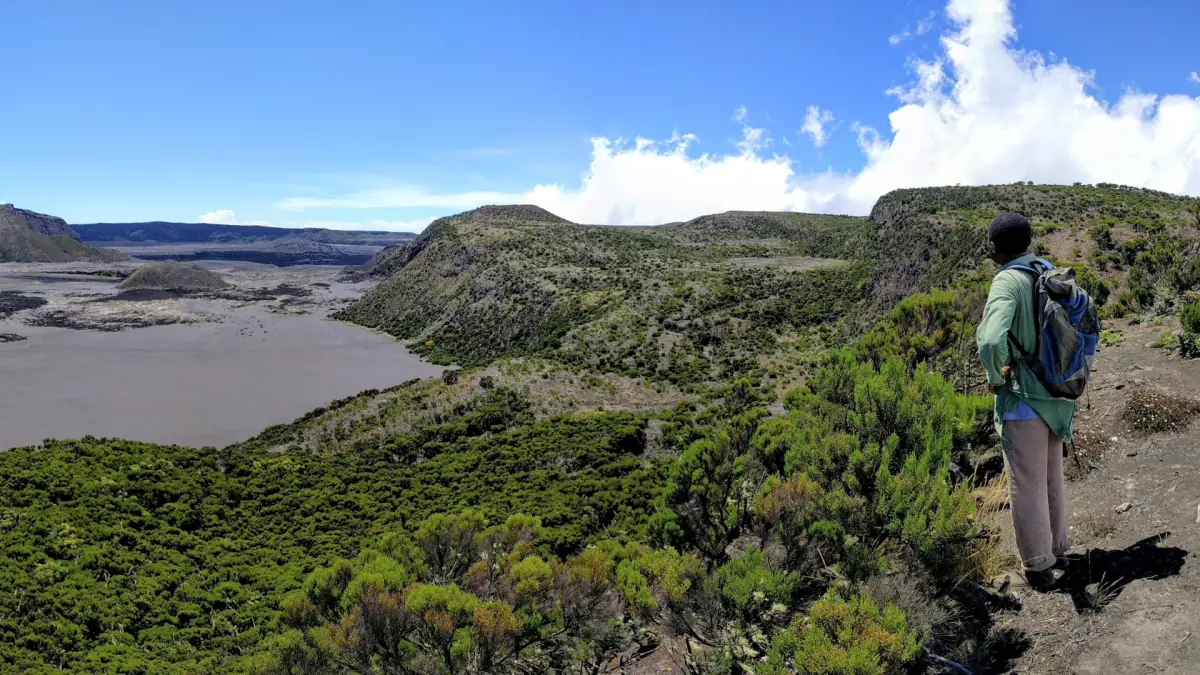
Things to do in Comoros are organised island by island. Grande Comore has the Karthala volcano, Moroni and the northern landscapes. Anjouan has historic towns and a sacred lake. Moheli is built around nature, with a national park and turtle nesting beaches. There is no combined ticket or national sightseeing pass, so each place is visited separately.
Opening hours and fees for sights are not published reliably. Ask locally or at your accommodation, and check before entering a mosque, a village or a protected area.
Our take: things to do in the Comoros
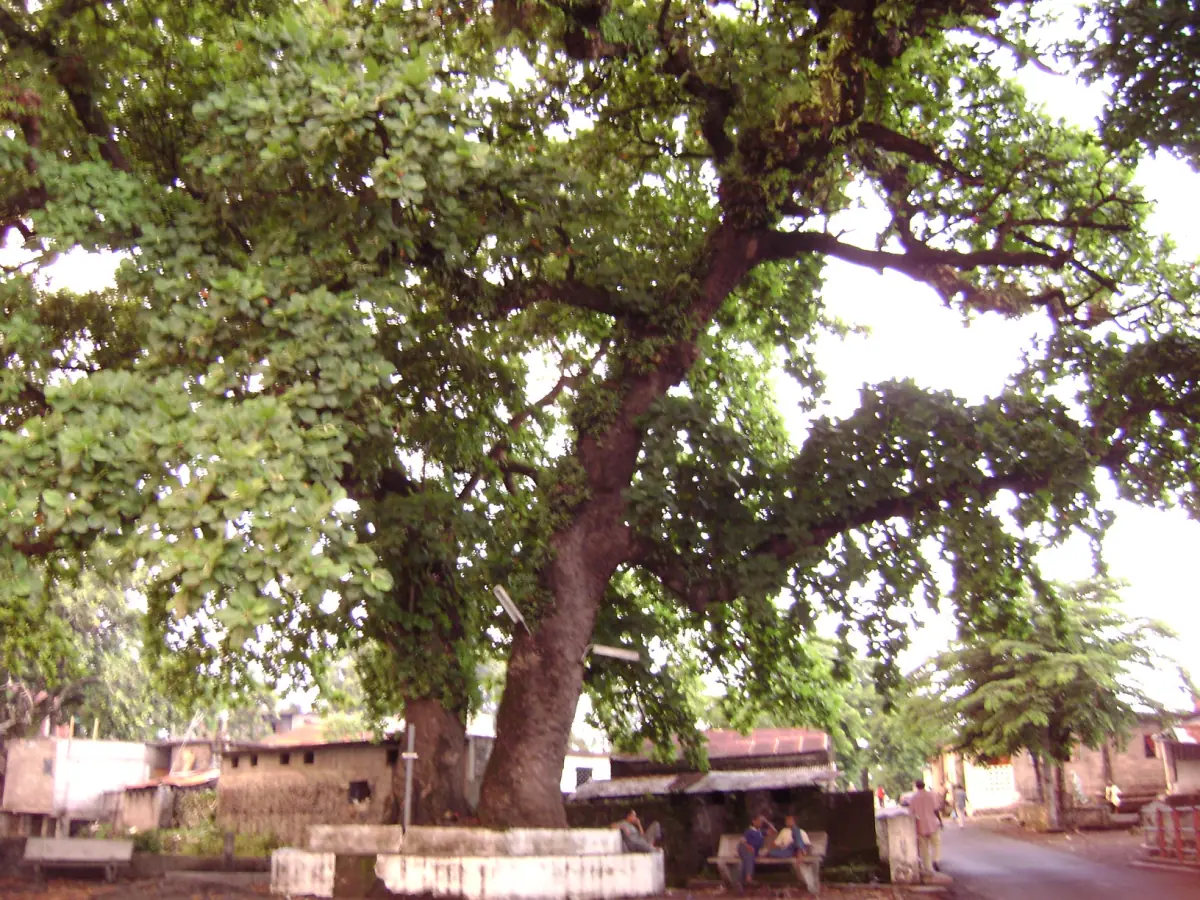
For the volcano, pick the Karthala hike. For the landscapes and beaches of the north, the day trip from Moroni is enough. For Mutsamudu, Itsamia and the other islands, you need the 8-day route.
Hand-picked tours, booked through GetYourGuide and Viator. Prices are indicative starting prices in US dollars (as of October 2026). Tap a tour for live availability and the current price in your currency.
8-day route across Grande Comore, Anjouan and Moheli
- Local flights and boat tickets
- All airport and port transfers
- Meals as set out in the itinerary
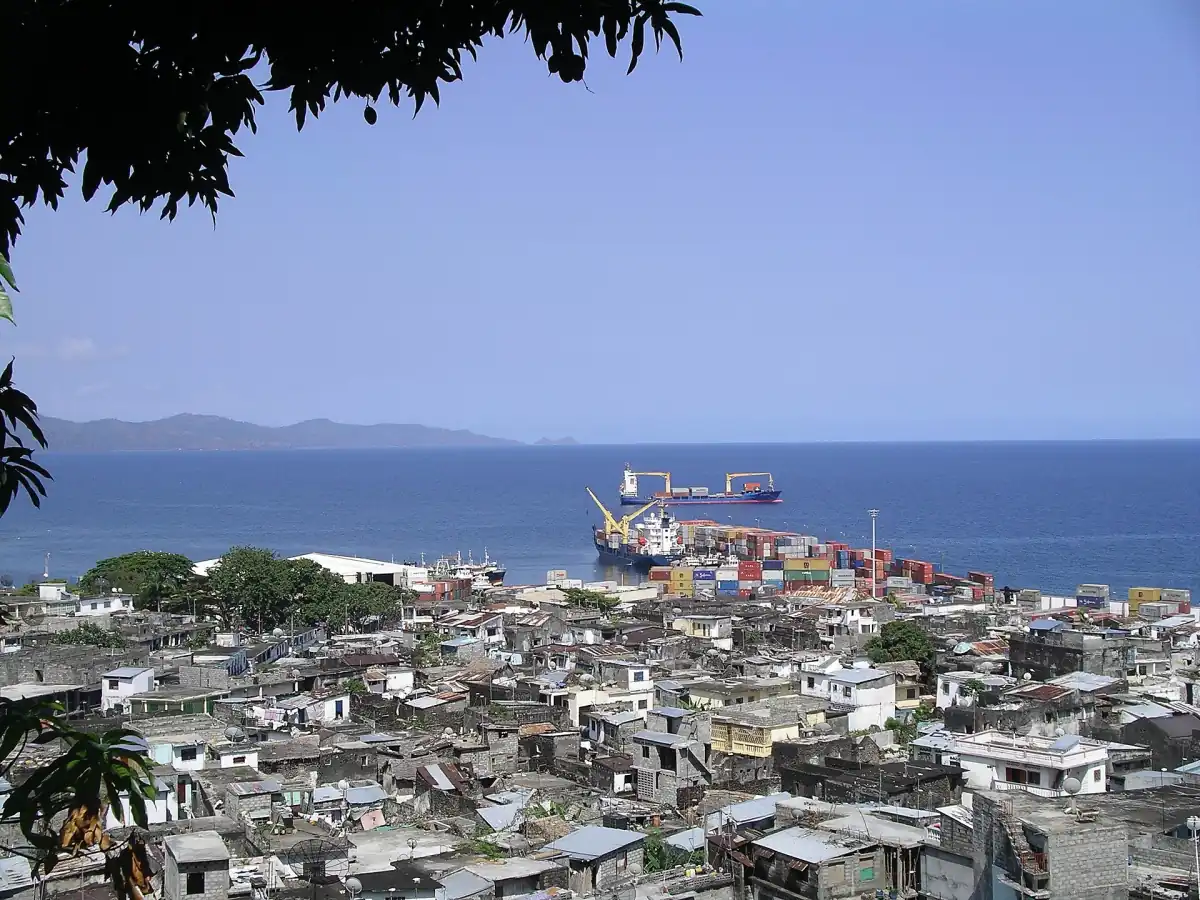
Eight days and seven nights across the three islands, with a visit to the Mutsamudu medina and citadel, sea turtle observation at Itsamia, village walks and a ylang-ylang farm. Turtle sightings are not guaranteed, and there are no reviews yet.
Check availability →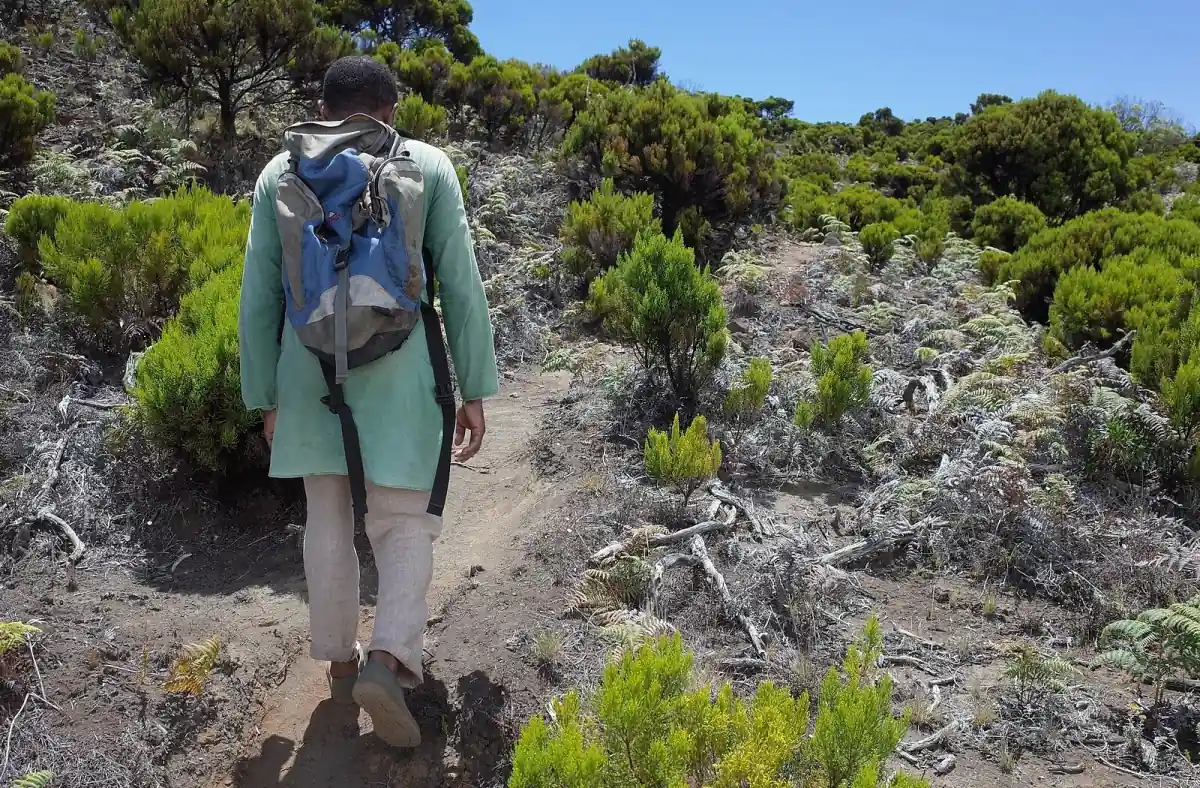
Guided Mount Karthala hike with hotel pickup
- Hotel pickup and drop-off
- Local guide
- Guided hike to Mount Karthala
An 8-hour day on Mount Karthala, the volcano of Grande Comore, with a local guide. Nothing here promises the state of the volcano or access to the summit, so ask before you book.
Check availability →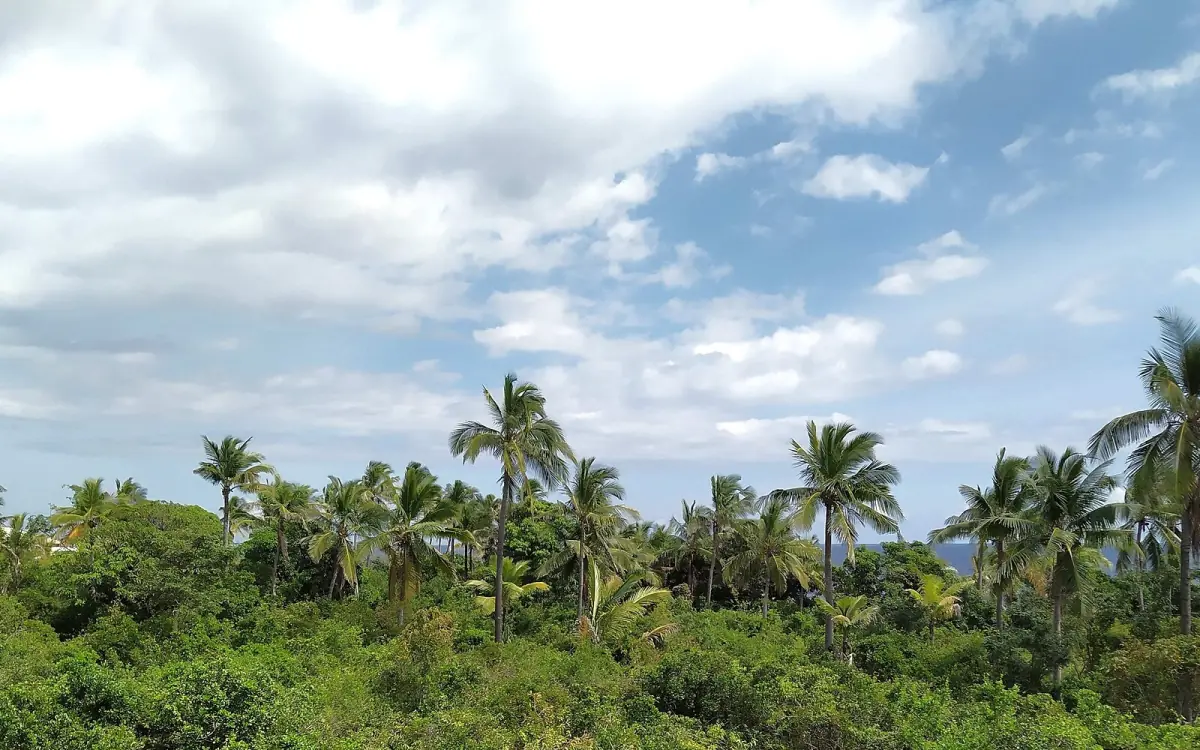
Day in the north of Grande Comore with a guide
- Lunch
- Licensed guide, English and French
- Air-conditioned vehicle
The northern route covers the mangroves and volcanic rocks at Domoimboini, the Salt Lake, the Dragon's Back at Ivoini, lunch in Mitsamiouli and a stop at Mitsamiouli beach. Fees and taxes are covered; swimming is not promised.
Check availability →Guided Mount Karthala hike
A day on Grande Comore's volcano with a local guide, hotel pickup and drop-off included.
Grande Comore: volcano, capital and north
Where most trips begin.
Mount Karthala is an active volcano in the south of the island. The hike is long and depends on the operator and the group's fitness, so read the safety notes before choosing a date. In Moroni, the medina belongs to the towns inscribed as World Heritage in 2026, and the Friday mosque is listed among the heritage elements. An inscription gives no opening hours for houses or mosques, so ask residents for permission before going inside.
In the north, Lac Sale is a crater lake whose colour changes with the weather, and the Dragon's Back is a stretch of coastal hills near Ivoini. Do not treat Lac Sale as a place to swim. It is only a proposal for UNESCO listing, submitted on 19 March 2026. The beaches of Mitsamiouli and the Trou du Prophete are named by the tourism office, with no swimming guarantee. Everything is gathered on the Grande Comore page.
Anjouan: medinas, citadel and sacred lake
At Mutsamudu, the tourism office describes a medina overlooked by a citadel. Mutsamudu and Domoni are among the historic towns of the UNESCO site, yet no reliable opening hours or fees exist for the citadel. Lake Dzialandze, at 910 m near Mont Ntringui, is reached on foot. It is a sacred place and a water reserve, and swimming is prohibited. Do not confuse it with Lac Sale on Grande Comore.
The island also grows ylang-ylang, cloves and vanilla, which does not prove that a distillery can be visited every day. For more, see the Anjouan page.
Moheli: marine park and turtles
The smallest of the three islands and the most nature-focused.
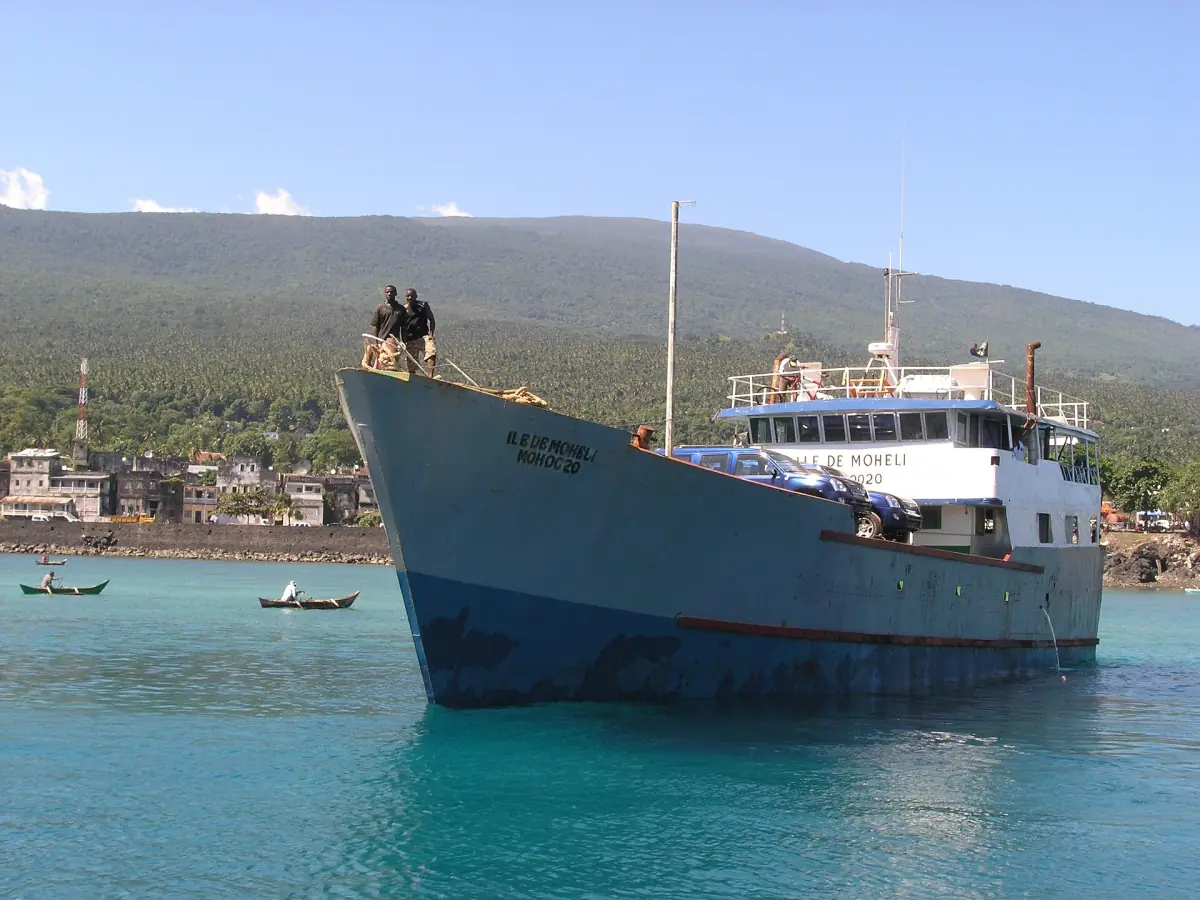
Moheli National Park protects marine and land habitats. Keep the marine park, designated in 2001, apart from the biosphere reserve, recognised by UNESCO in 2020 over 66,286 hectares. At Itsamia, a local conservation group describes monitoring of green turtles, with nesting especially strong from April to June. That is not a sightings guarantee: visitor rules, distances and fees are not published in a usable form, so ask the park or the group. Details are on the Moheli page.
To compare beaches across the islands, read Comoros beaches. It gives place names, not a list of safe beaches. Spain warns of currents and high water on some beaches, and the United Kingdom advises covered clothing.
Planning your sightseeing
Four pointers for a realistic programme.
One day on Grande Comore
Combine Moroni with an outing in the north, or give the Karthala hike a full day.
Comoros tours →Two islands
The simplest plan is two islands, with flights or boats confirmed before you leave.
Getting there →The right season
The wet season runs from November to May, and cyclones are possible from January to May.
Best time to visit →Local rules
Ask before taking photographs and avoid eating or drinking in public during Ramadan.
Is Comoros safe? →Things to do in Comoros: frequently asked questions
What are the main sights in the Comoros?
Mount Karthala and Moroni on Grande Comore, the medinas of Mutsamudu and Domoni on Anjouan, and the national park and turtles of Moheli. No official ranking of sights exists.
Are the Comoros old towns a World Heritage site?
Yes, the medinas of the historic sultanates of the Comoros have been on the World Heritage list since 2026. Lac Sale is only a proposal submitted in 2026.
Can you swim in the lakes of the Comoros?
Not at Lake Dzialandze, where the tourism office states a swimming ban. At Lac Sale, swimming is not recommended.
Can I see turtles on Moheli?
Nesting is stronger from April to June at Itsamia according to a local group, but no sighting is guaranteed. See the Moheli page.