
Grande Comore: island of Moroni and Karthala
Grande Comore is also known locally as Ngazidja. It is the largest of the three islands this site covers, and most visitors land here because Prince Said Ibrahim International Airport is on the island. Moroni, the capital of the Union of the Comoros, sits on the west coast. The active volcano Karthala rises in the south.
For a first visit, think of the island in three zones: the capital and its surroundings, the north with its natural sights, and the Karthala massif. Distances are short, but road quality varies. British guidance describes the main ring road as reasonably good and many other roads as poor, so leave slack in your day.

Our take: the north of Grande Comore
This 8-hour day links Domoimboini, the Salt Lake, the Dragon's Back and Mitsamiouli.
Hand-picked tours, booked through Viator. Prices are indicative starting prices in US dollars (as of October 2026). Tap a tour for live availability and the current price in your currency.
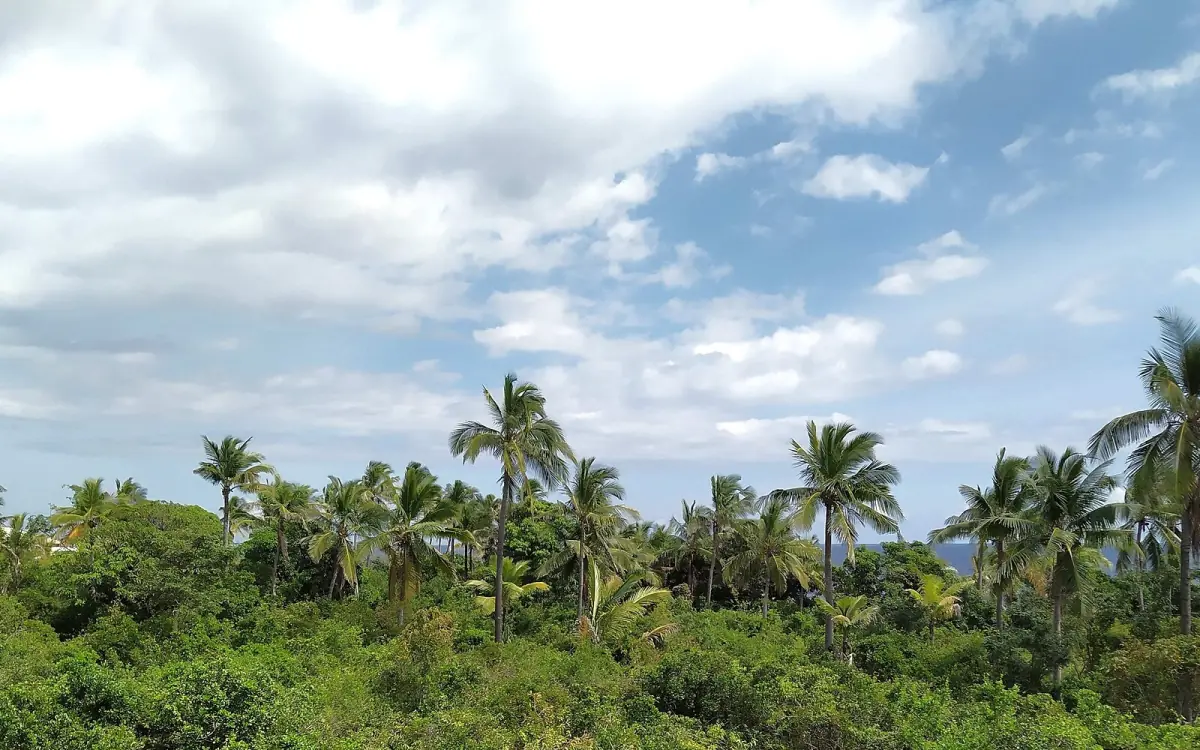
Guided Mount Karthala hike
Karthala is the signature excursion on Grande Comore. This guided hike comes with a local guide and hotel pickup and drop-off, over a day of about 8 hours.
The north: Lac Sale, Dragon's Back and Mitsamiouli
The north holds the sights most often named. Lac Sale, near Bangoi Kouni, is a crater lake whose colour shifts with the weather, according to the tourism office. Stories of healing water or a bottomless lake are legends, not facts. Do not swim there.
Dragon's Back, near Ivoini, is a stretch of coastal hills and rock formations, also called Ngu d'Ivoini. Mitsamiouli is listed among the island's beaches, as is the Trou du Prophete, or Dzindani beach. A beach name is not a swimming clearance, so read Comoros beaches before you get in the water.
Lac Sale is the subject of a UNESCO proposal submitted on 19 March 2026. It is on the tentative list only and is not an inscribed World Heritage site. Entry fees, opening hours and free access for these sights are not documented, so ask locally.
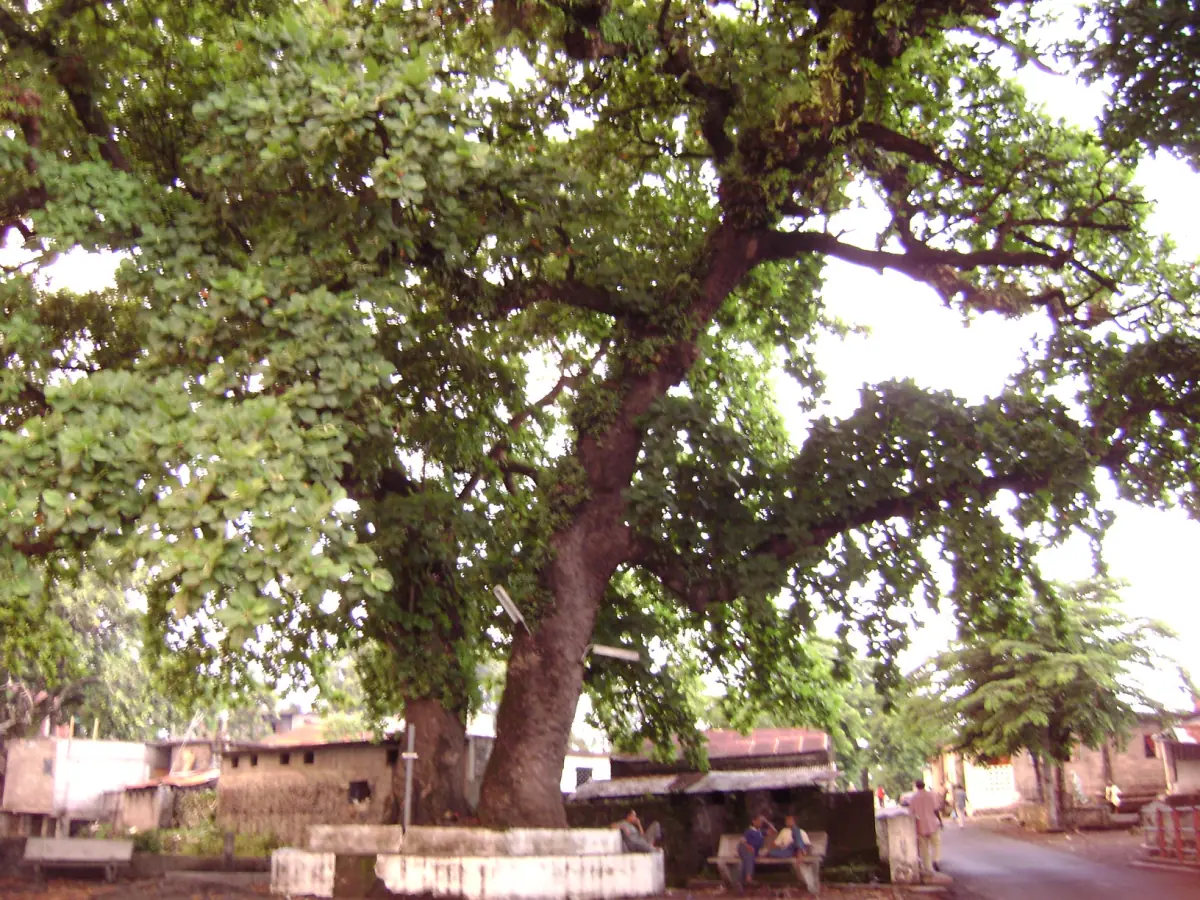
Moroni, Iconi and the sultanate heritage
The Medinas of the Historic Sultanates of the Comoros were inscribed on the World Heritage List in 2026, and the medina of Moroni is part of that group. The inscription says nothing about visiting hours for houses or mosques. At Iconi, the Kapviridjohe palace recalls a past as residence, political centre and defensive building, according to the tourism office. For the city itself, see Moroni.
A day trip to the north from Moroni also exists as an organised tour. The operator sets the start at its office in the Mtsangani district, with lunch, fees and a licensed guide speaking English and French. It is neither hotel pickup nor a city walk. Confirm the programme when you book.
Preparing your visit to the island
For the volcano, read Mount Karthala first, which covers routes, gas and cautions. For a bed near the capital, see where to stay in the Comoros. Carry cash in Comorian francs: cards are not accepted everywhere and Moroni cash machines are described as unreliable. Wear clothes that cover shoulders and knees in villages.
Questions about Grande Comore
Is Grande Comore the same as Ngazidja?
Yes. Grande Comore is the French name and Ngazidja the Shikomori name. You will see both on maps and official documents.
Can you swim in Lac Sale?
We do not recommend it. The crater lake is presented as a place to look at, and the legends about its water are not facts. Access rules are not published.
Which northern sights should I plan for?
Lac Sale, Dragon's Back and the Mitsamiouli area come up most often. Set aside a full day and allow time for the roads. No opening hours are confirmed for these places.
Do I need a guide to explore the island?
Our sources show no general rule, apart from operator-specific terms. For Karthala, France advises an experienced guide. In villages, always ask before photographing people.